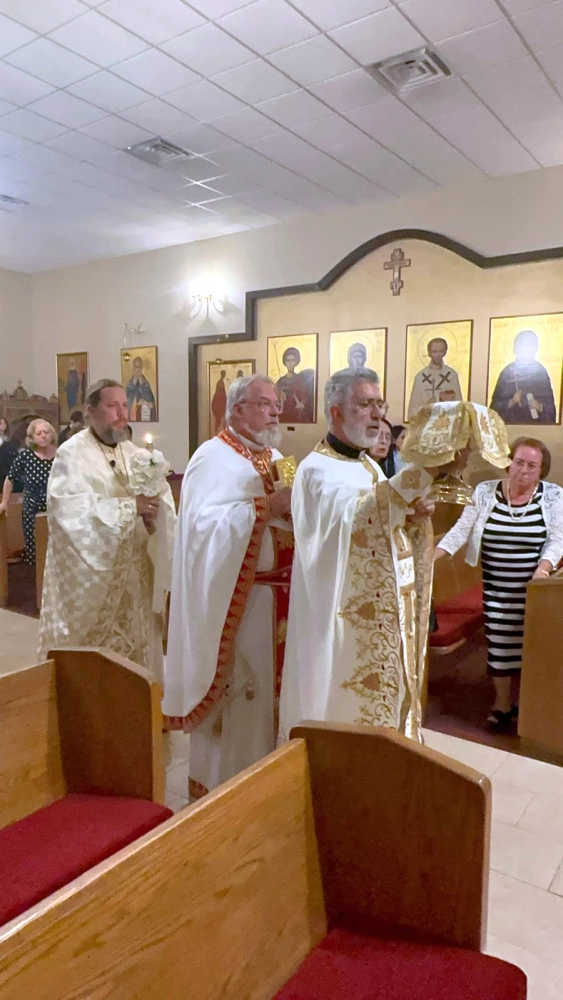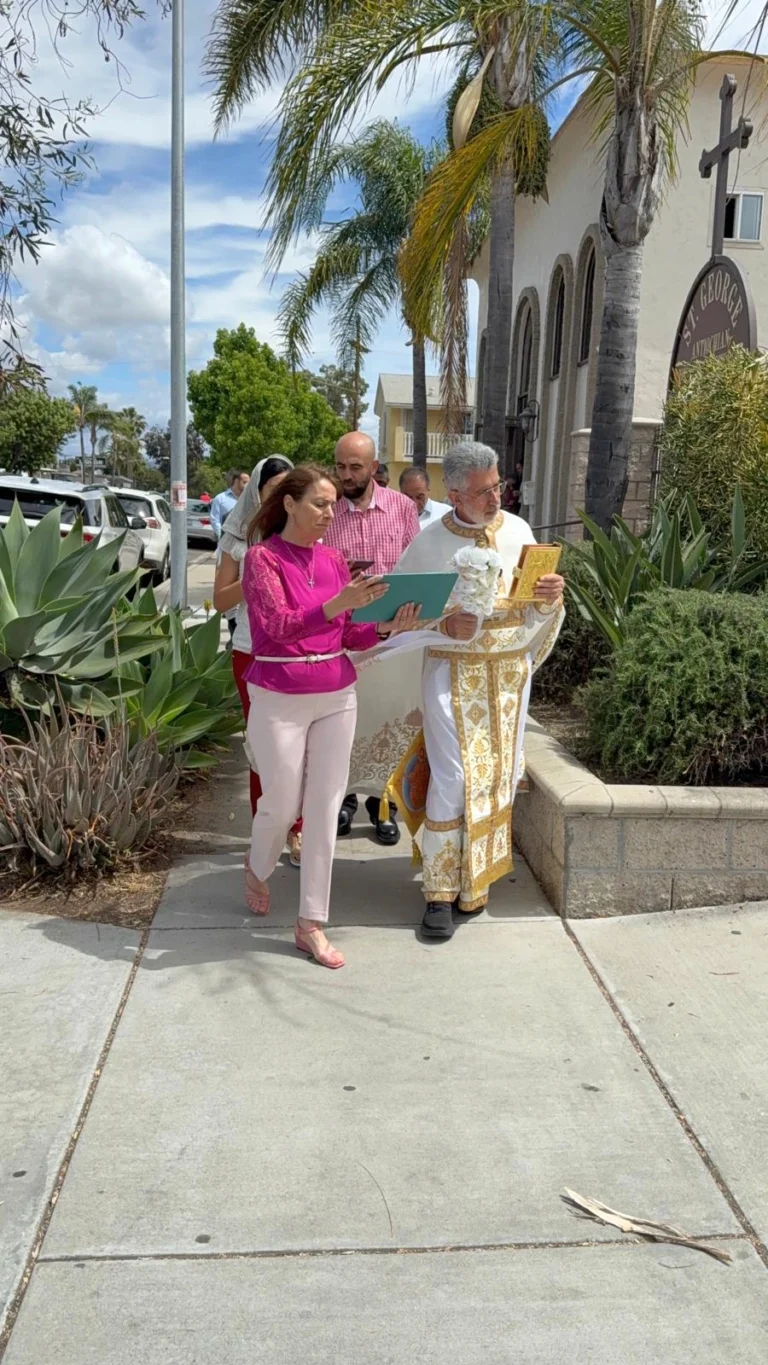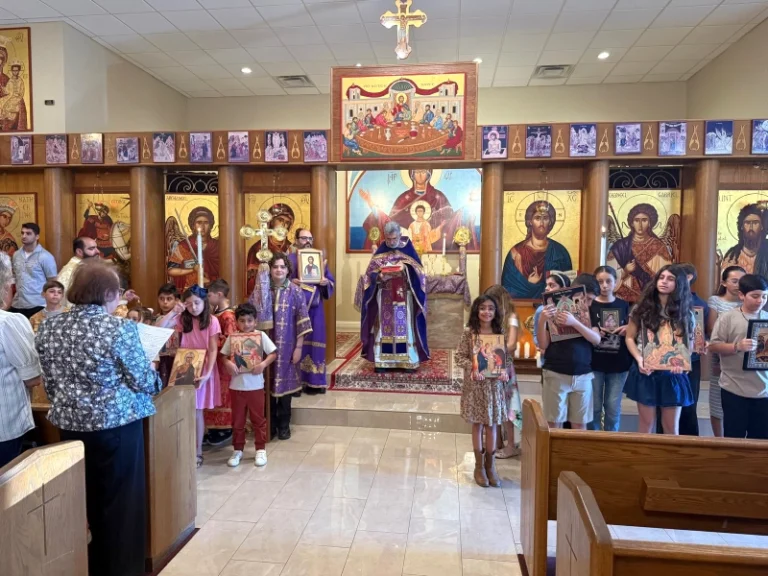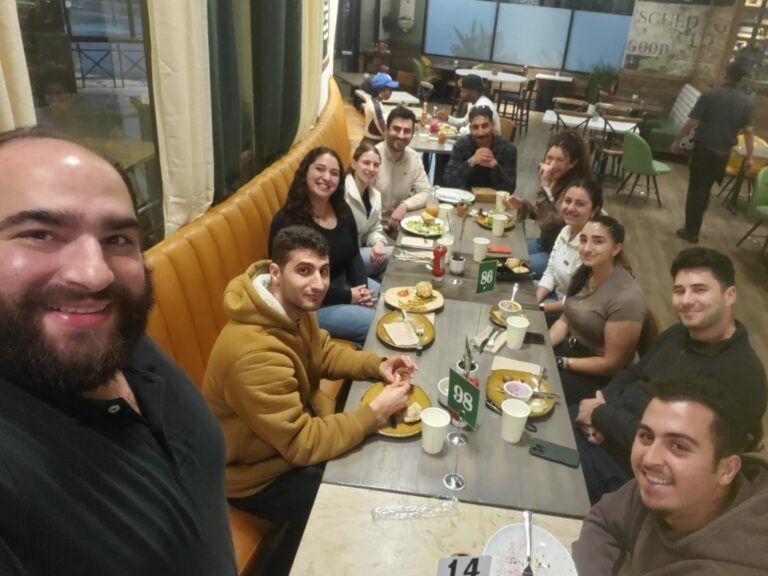
The Feast Of The Nativity Of The Theotokos
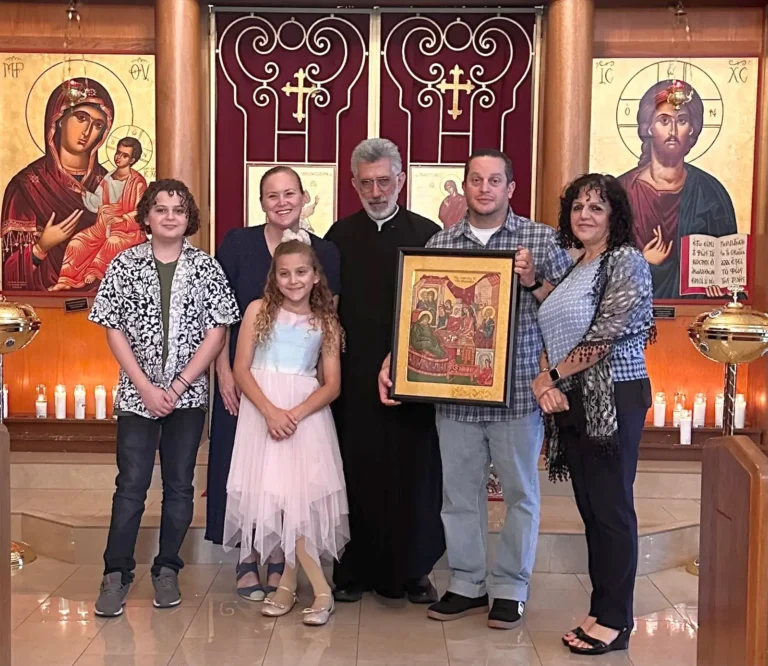
This Feast is sponsored by Fatina Martha and her family and by Mitchel and Catherine Martha and their family.
We had Pastor home visitations, they offered the Five Loaves for the Festive Vespers and they offered the Oblation for the Divine Liturgy and they hosted the Coffee Hour.
God grant them many years.
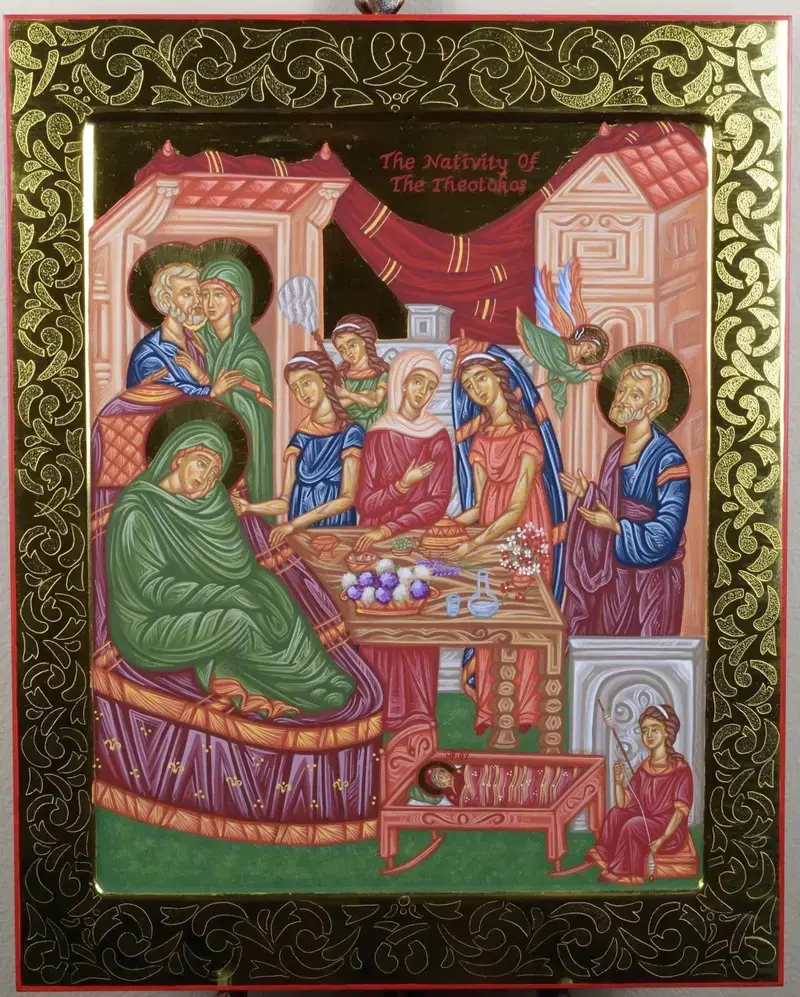

The Icon of the Nativity of the Theotokos
is itself a sermon in color and image. It teaches the story and the theology of the feast in a single glance. Let me walk you through it.
1. The Setting – A House of Joy
The icon usually shows the event taking place in the home of Joachim and Anna. The house is painted in stylized architecture, representing not just their dwelling but the mystery of God preparing a home for His Son through the Virgin. The colors are bright, not somber, because this is a feast of joy—the first light of salvation.
2. Saint Anna – The Mother
At the center, reclining on a bed, is St. Anna, the mother of the Theotokos. She is wearing a greenish garment which is depicted for pious people. She is shown in a dignified and peaceful posture, like Sarah or Hannah from the Old Testament, who also bore children through God’s promise. Her face is calm, reflecting gratitude and wonder. Sometimes she extends her arms toward her newborn daughter, showing her readiness to receive and care for this miraculous child.
3. The Infant Mary – The New Dawn
Near Anna, women attendants are shown taking care of baby. The Theotokos is not some mystical figure descending from heaven, but a child truly born of human parents. Yet her swaddling clothes, and the way she is often depicted in a radiant cradle or held up by attendants, emphasize that this is no ordinary child: she is already “the living temple of God,” the one in whom heaven and earth will meet.
4. Joachim – The Joyful Father
In many versions of the icon, St. Joachim is shown sitting apart, often on the lower left corner. Sometimes he is in thought, other times looking toward Anna and the child with wonder. And in this icon on the side touching cheeks with Anna meaning of conception at an old age. His posture always reflects both his humility—remembering the shame he bore before—and his joy at God’s
mercy.
5. The Attendants – Witnesses of Joy
Other women are often included, bringing food, caring for Anna, or assisting with the child. They represent the community rejoicing with Joachim and Anna, but they also symbolize the whole of Israel, awaiting the fruit that will come from this miraculous birth.
6. Symbolic Themes in the Icon
Anna reclining recalls Eve after giving birth, but now the new story of redemption has begun: Mary will undo Eve’s sorrow by giving birth to Christ.
The architecture and veils symbolize the hidden mystery of God’s plan, now revealed.
The color red (used often in Anna’s bed or the attendants’ garments) symbolizes life, joy, and the coming Incarnation.
The child Mary herself haloed even as a baby—showing that she was chosen and sanctified from the beginning.
7. The Icon as Theology
In Orthodox icons, nothing is decorative. Every figure and gesture teaches us something. The whole icon is saying:
God’s promise has come true.
The barrenness of the Old Covenant has been turned into fruitfulness.
The one who will give flesh to the Word of God has entered the world.
This is why the hymns of the feast sing:
“Today is the beginning of our salvation, O people; for behold, the Mother of God is born, who is prepared from eternity to be the dwelling-place of the King of all.”
أيقونة ميلاد سيّدتنا والدة الإله الكليّة القداسة
هي عظة ناطقة بالألوان والخطوط، تروي في لحظة مشهديّة واحدة سرّ العيد ولاهوته. فلنتأمّل معًا رموزها العميقة:
١. المشهد – بيت الفرح
تُصوِّر الأيقونة الحدث في بيت الصدّيقَين يواكيم وحنة. ويرمز البناء المرسوم بأسلوبٍ روحانيّ إلى البيت الذي هيّأه الله ليُقيم فيه ابنه الوحيد بالتجسّد من العذراء. الألوان زاهية مشرقة، لأنّنا في عيد فرحٍ عظيم، إذ أشرق أوّل نور الخلاص على المسكونة.
٢. القدّيسة حنّة – الأمّ الممتلئة نعمة
في وسط الأيقونة نرى القدّيسة حنّة متّكئة على سريرها، بهيّة الطلعة، ترتدي ثوبًا مائلًا إلى الأخضر إشارةً إلى تقواها. تُشبه صورتُها الأمهات القدّيسات في العهد القديم كسارة وحنّة أمّ صموئيل، اللواتي حبلن بثمرة وعد الله. ملامح وجهها توحي بالسكينة والشكر والعجب، وأحيانًا تُمدّ ذراعيها نحو طفلتها العجيبة علامة القبول والاستعداد لخدمة التدبير الإلهيّ.
٣. الطفلة مريم – فجر العهد الجديد
قرب حنّة نرى بعض النساء القابلات يهتممن بالمولودة. فوالدة الإله طفلة حقيقيّة وُلدت من والدين بشريّين، وليست ظهورًا أسطوريًّا سماويًّا. غير أنّ لفائفها البيضاء ومهدها المضيء، أو رفعها بين الأيادي، يعلن أنّها منذ البدء “هيكل الله الحيّ”، التي سيلتقي فيها السماء والأرض.
٤. يواكيم – الأب المتهلّل
في الزاوية السفلية غالبًا ما يُصوَّر الصدّيق يواكيم، إما جالسًا متفكّرًا أو متأمّلًا وجه زوجته وابنته بدهشة وإعجاب. ويُكتب وهو يلاصق خدّه بخدّ حنّة، رمزًا للحبل العجيب في شيخوختهما. وقفته دائمًا تعكس تواضع قلبه وتذكّره عار العقم القديم، وفرحه العظيم بمراحم الله.
٥. الخادمات – شهود الفرح
تُرى نساء أخريات يقدّمن الطعام ويخدمن حنّة والطفلة. إنّهنّ صورة للجماعة التي تشارك الوالدين الفرح، كما يرمزن إلى إسرائيل المنتظر، وإلى العالم الذي سيستقبل ثمر الخلاص الآتي من هذا الميلاد المبارك.
٦. الرموز في الأيقونة
• استلقاء حنّة يُذكّر بحواء بعد الولادة، لكنّ التاريخ يبدأ الآن مسيرته الجديدة نحو الفداء؛ إذ ستنقض مريم بفرحها حزن حواء.
• البناء والستائر رمزٌ للسرّ الإلهيّ المستور منذ الدهور، الذي انكشف في ملء الزمان.
• اللون الأحمر، في سرير حنّة أو ملابس الخادمات، إشارة إلى الحياة والفرح والتجسّد.
• الطفلة مريم مرسومة بهالة نور منذ طفولتها، إعلانًا لقداستها وانتخابها منذ الأزل.
٧. الأيقونة – لاهوت مرسوم
ليس في الأيقونات الأرثوذكسيّة شيءٌ للزينة فحسب؛ كلّ رسم وإيماءة ينطق باللاهوت. الأيقونة كلّها تصرخ قائلة:
• لقد تمّ وعد الله.
• عقم العهد القديم صار خصبًا.
• دخلت إلى العالم التي ستعطي الجسد لكلمة الله.
ولهذا ترتّل الكنيسة في هذا اليوم المبارك:
“اليوم بدء خلاصنا أيّها الشعوب، لأنّه قد وُلدت والدة الإله، المهيّأة منذ الدهور لتكون مسكن ملك الكلّ.”